
Anarchist's Workbench
- SKU:
- LAP91658
- MPN:
- BK-ANARC-WORKBENCH
- Shipping:
- Calculated at Checkout






Description
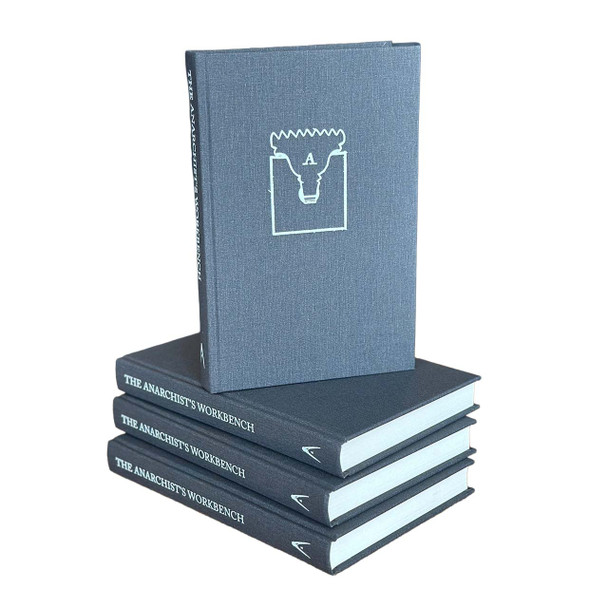
Anarchist's Workbench
“The Anarchist’s Workbench” serves as both a comprehensive guide to building a straightforward workbench using construction lumber and basic woodworking tools, and a narrative about Christopher Schwarz’s 20-year journey of researching, constructing, and refining historical workbenches until he found no further improvements to make.
Throughout this journey, Schwarz leaves his corporate job, establishes a publishing company based on mutualist principles, and moves into a 1896 German barroom located in a red-light district. There, he builds furniture, publishes books, and strives to live as an aesthetic anarchist.
This book is the third and final installment in the "anarchist" series, aimed at dispelling the vast amount of misinformation about building a proper workbench. It addresses common questions that many woodworkers face, such as: What type of bench should I build? What type of wood should I use? What dimensions should it have? What vises should I attach?
These inquiries are answered through the lens of 2,000 years of workbench history.
Interestingly, the way we secure wood for working has not changed significantly in the last 700 years. However, the materials available for bench-building have evolved. We no longer have access to the massive slabs of oak, maple, and beech that were used to construct the workbenches of our ancestors. Instead, we have very expensive hardwoods and inexpensive softwoods like yellow pine and fir, which, when used thoughtfully, can yield workbenches that are as heavy, durable, and functional as their historical counterparts.
“The Anarchist’s Workbench” also introduces simpler workbench designs that avoid metal fasteners and rely solely on the traditional mortise-and-tenon joint secured with a drawbored peg. The bench plan featured in the book is based on a European design that became widespread across the continent in the 1500s. It consists of only 12 joints, weighs over 300 pounds, and can be constructed for less than $300 in lumber.
While the design is remarkably straightforward, it is also versatile; you can adapt and modify it as you develop your skills as a woodworker.
Related Products
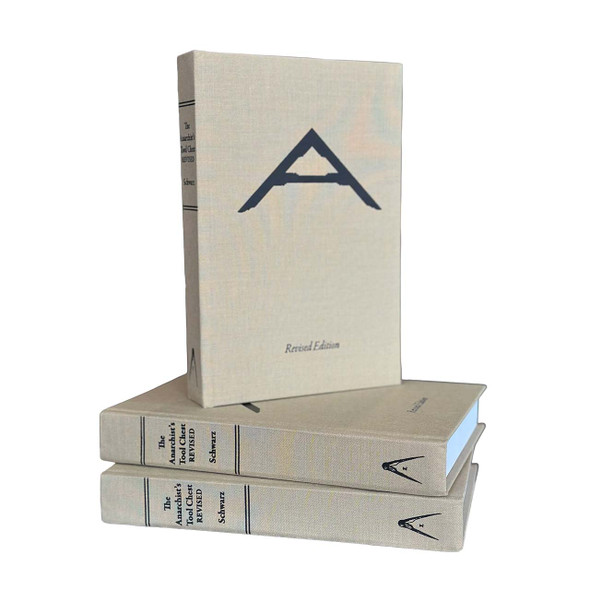

Anarchist's Tool Chest


Maksiwa Workbench for Edge Trimmer


Sjobergs Nordic 1350 Workbench

Sjoberg Scandi 1425 Workbench

