
Dutch Tool Chests

- SKU:
- LAP97225
- MPN:
- BK-DUTCH
- Shipping:
- Calculated at Checkout


Description
Dutch Tool Chests
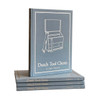
"Dutch Tool Chests" provides comprehensive instructions for building your own slant-lid tool chest. It guides you through every step, from selecting materials to joinery and hardware to the interior components that secure your tools, and to painting techniques.
In addition to chest building, the book helps you grow as a hand-tool woodworker. Author Megan Fitzpatrick offers a thorough, transparent, and highly detailed explanation of how to cut through-dovetails, along with a guide for cutting dados by hand. You will also learn to create rabbets, simple fielded panels, and to use cut nails, screws, hinges, and to fit chest lids. By building your own Dutch tool chest using this book, you will enhance your hand-tool woodworking skills.
"Dutch Tool Chests" includes complete plans and cutting lists for two different sizes of this portable chest, as well as additional plans for a rolling base that provides even more storage options.
However, the book goes beyond just constructing the chest's exterior walls. It illustrates how to equip the interior of your chest to hold chisels, marking knives, and other pointed tools on the back wall. It also covers saw tills and cubbies for jointers, jack planes, and smooth planes.
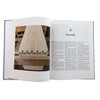
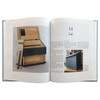
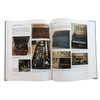
If that isn't enough, "Dutch Tool Chests" features a gallery of chests created by 43 other makers, showcasing modifications and additions for you to consider. You will discover innovative ideas for using the chest's tool bay (or bays), clever rolling bases, oversized and undersized chests, remarkable uses for the back of the fall front and the underside of the lid, and other unique solutions that set them apart.
About the Physical Book:
“Dutch Tool Chests” measures 8-1/2” x 11”. It is printed in Tennessee on #70 matte-coated paper using a Japanese-built sheet-fed printing press. The pages are folded into signatures, sewn, glued, and reinforced with fiber-based tape for a permanent binding. Our books are durable enough to withstand floods and the antics of dogs and toddlers.
The 192-page interior is attached to heavy (98-pt.) cotton-covered boards with a thick paper hinge. The cover and spine feature a foil die stamp, giving the cover a textured feel that is not achievable with modern digital printing methods. This book is designed for heavy use and is built to last for more than a century.
Related Products
Anarchist's Tool Chest
Non-Mortise Chest Hinge Brass (pr)


